Marunouchi Urban Vision (2012)
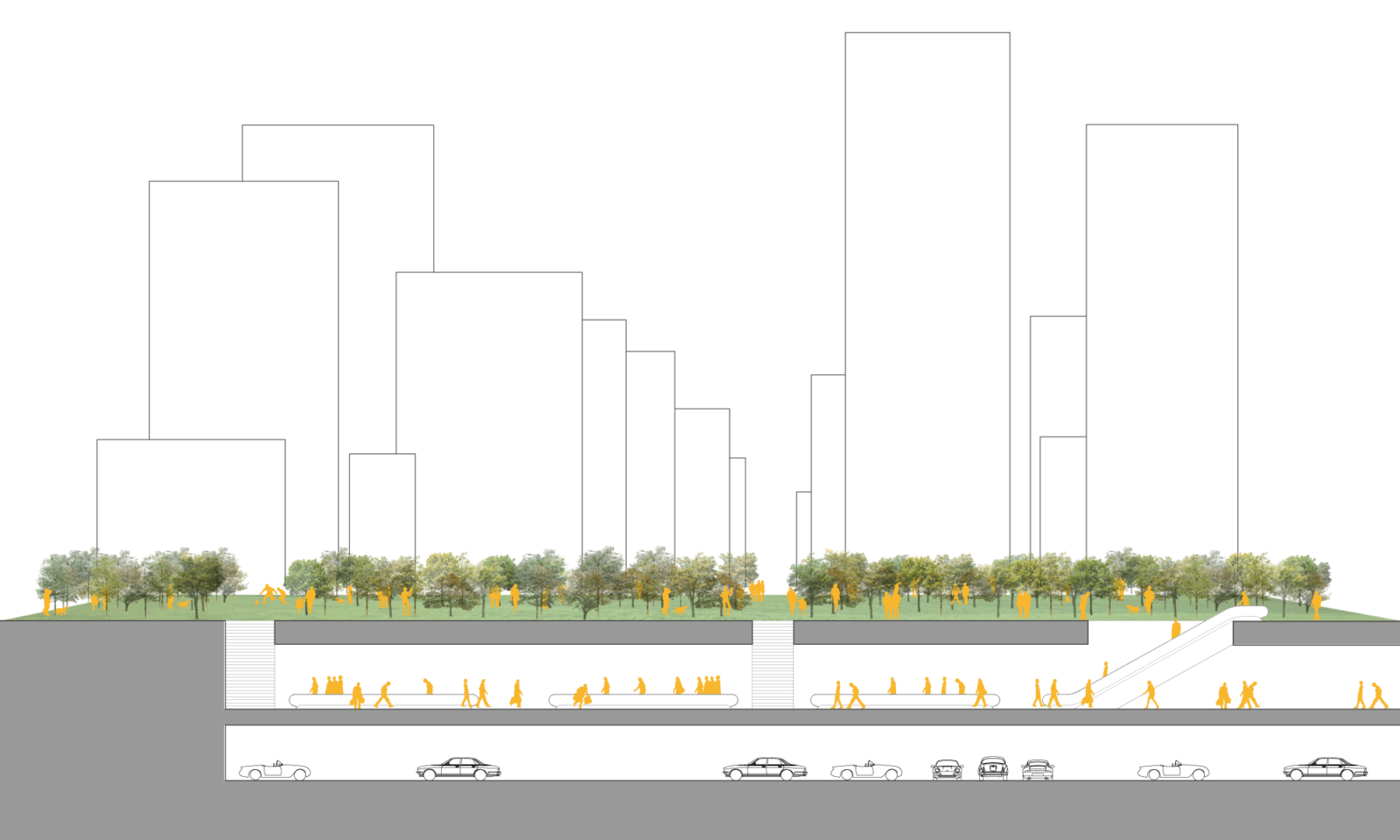
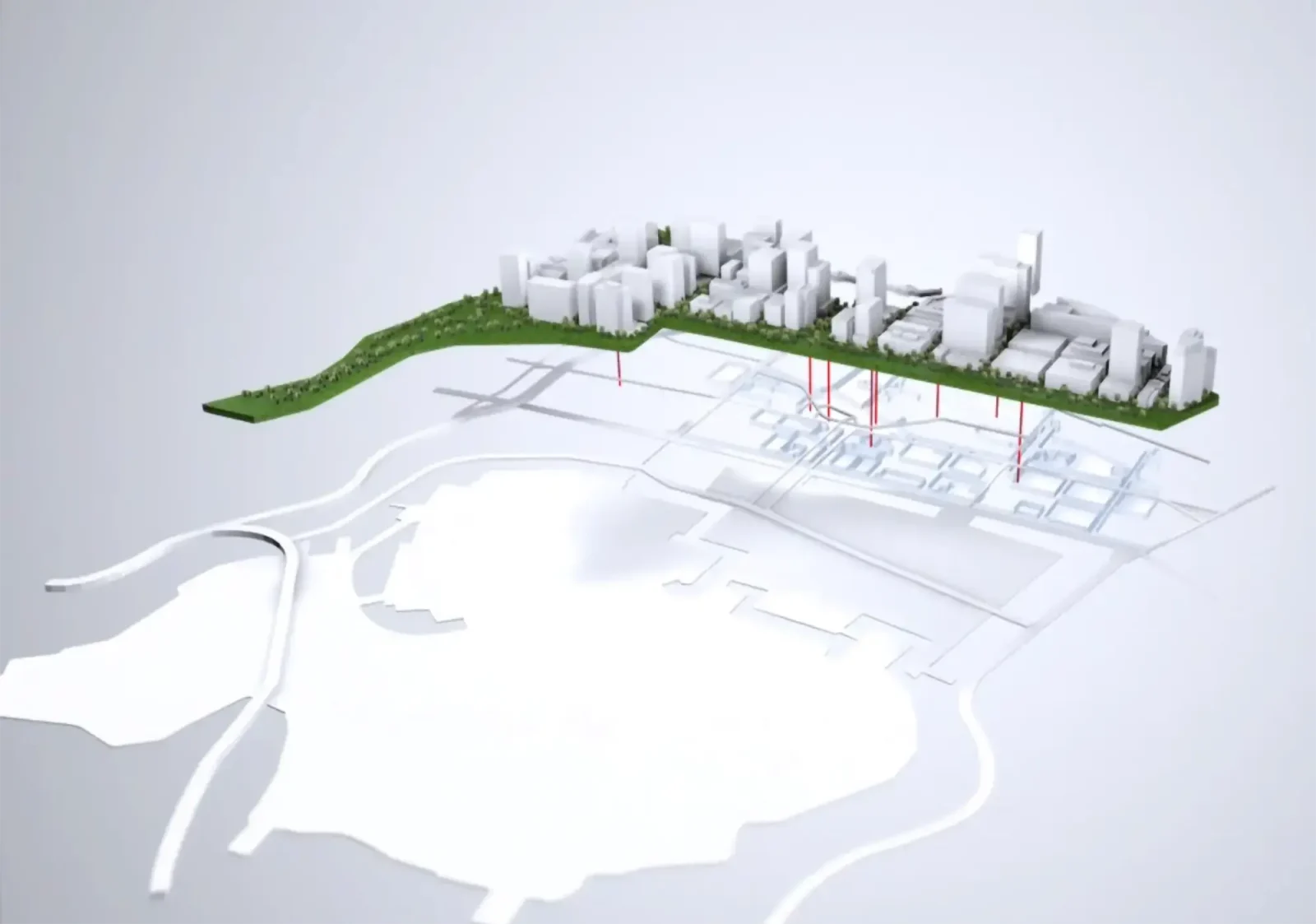
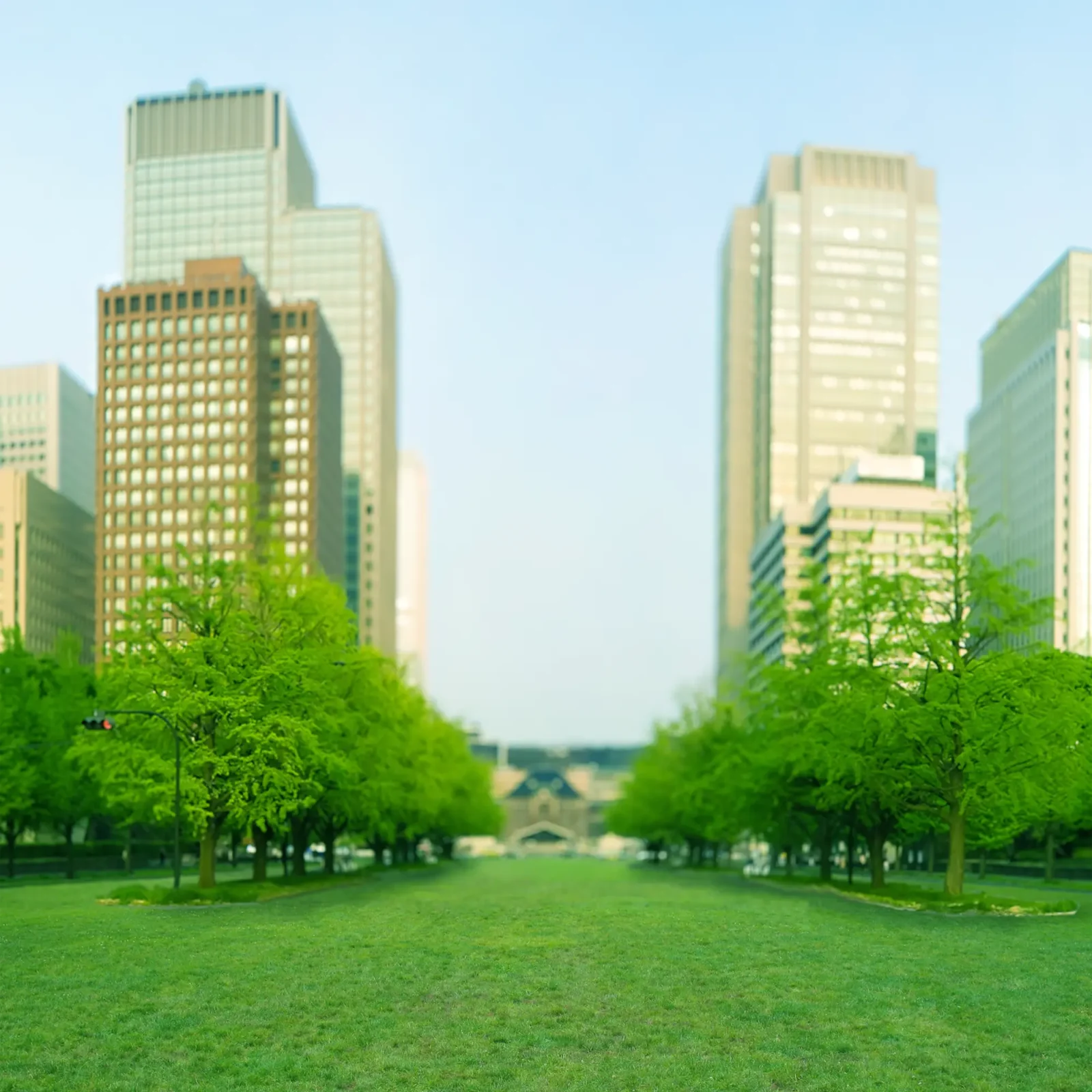
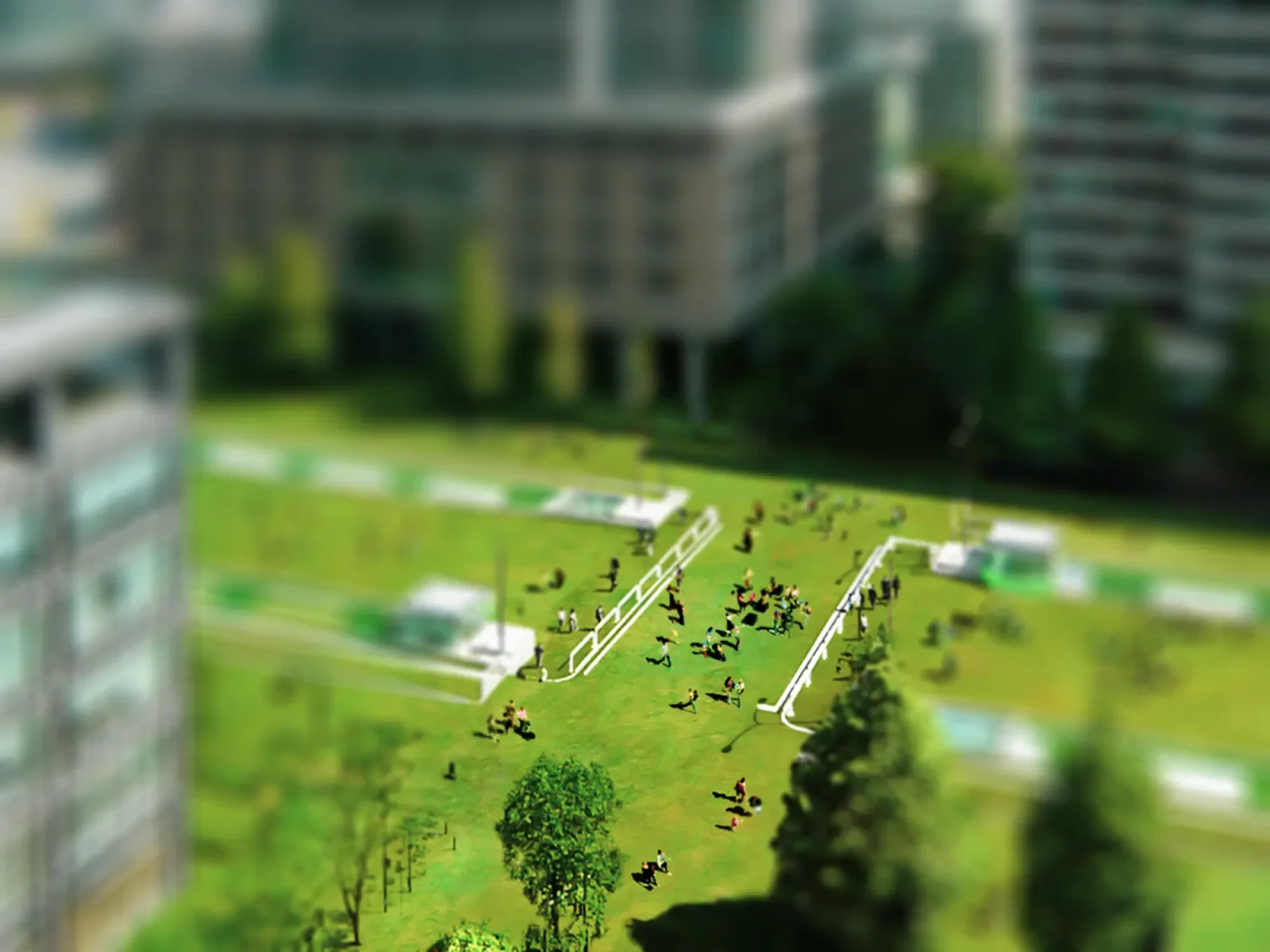
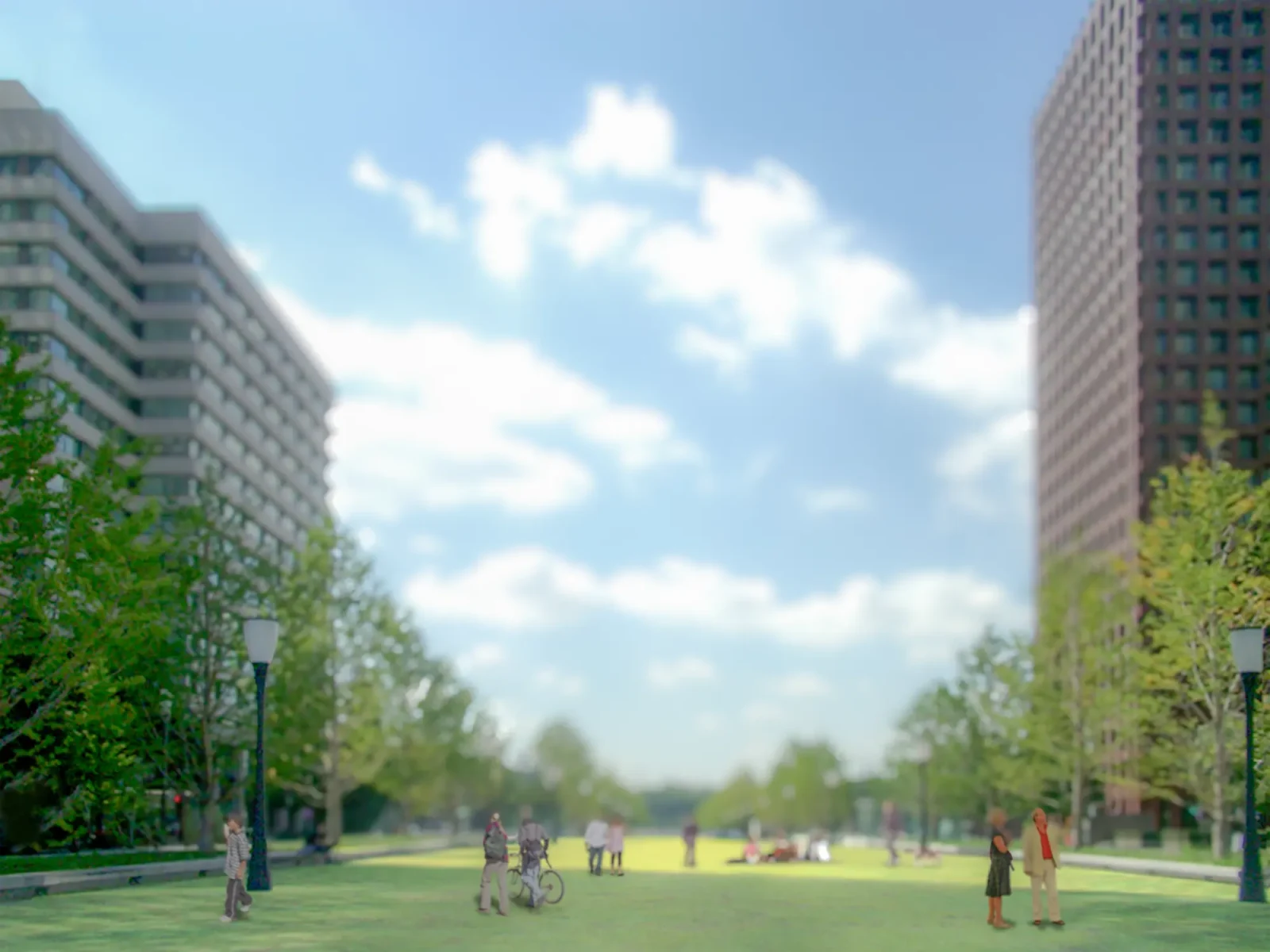
A vision for Marunouchi, conceived in 2012. It is a proposal for a future city looking toward 2050, answering environmental issues through large-scale surface greening, made possible by leveraging its world-class existing underground network.
The relationship between the environment and humanity is exceedingly complex. An approach that considers only the issue of CO2 cannot be called a true engagement with environmental problems.
This concept was proposed in 2012 at the request of Mitsubishi Jisho, with the full understanding that it is just one idea for tackling this complex issue.
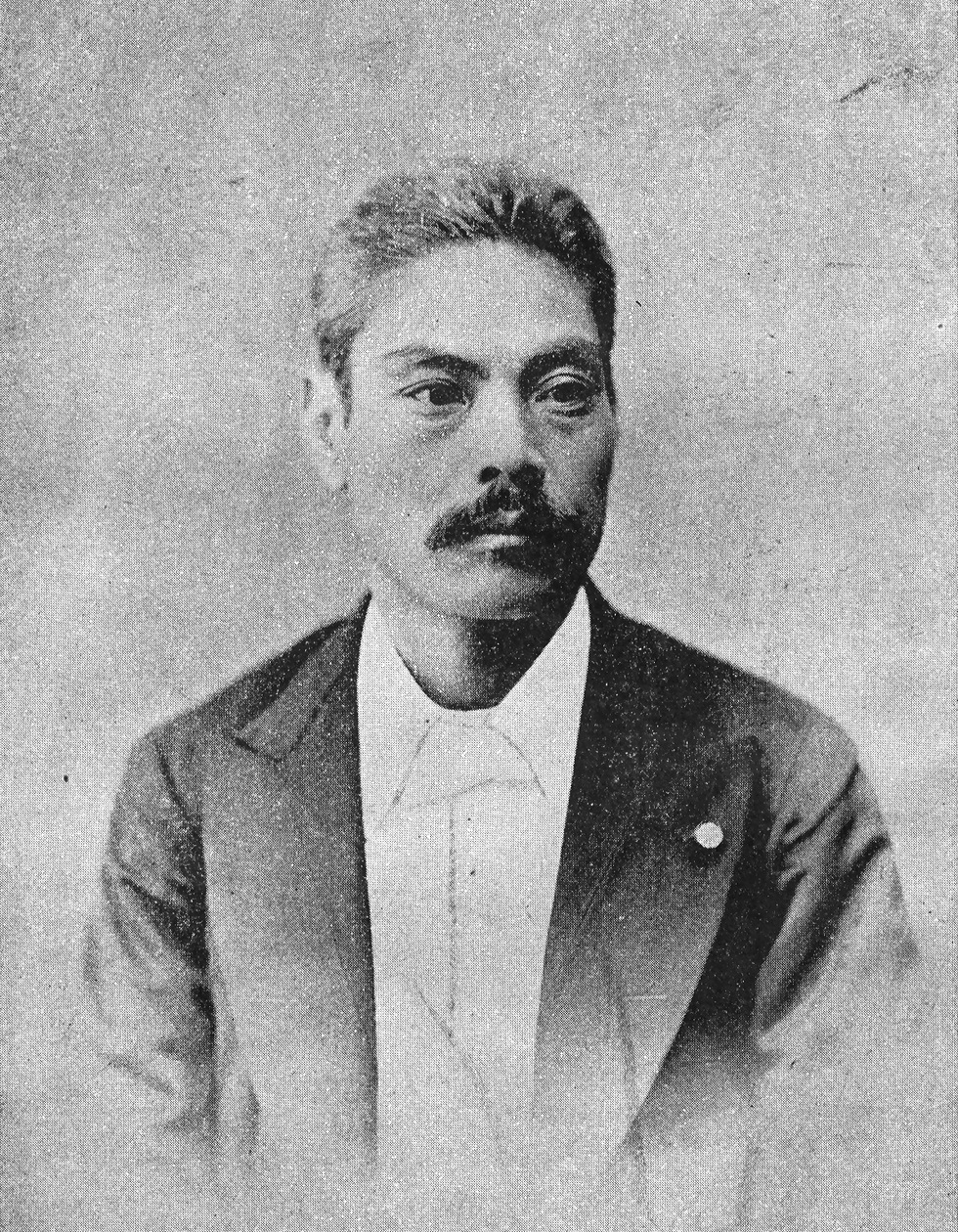
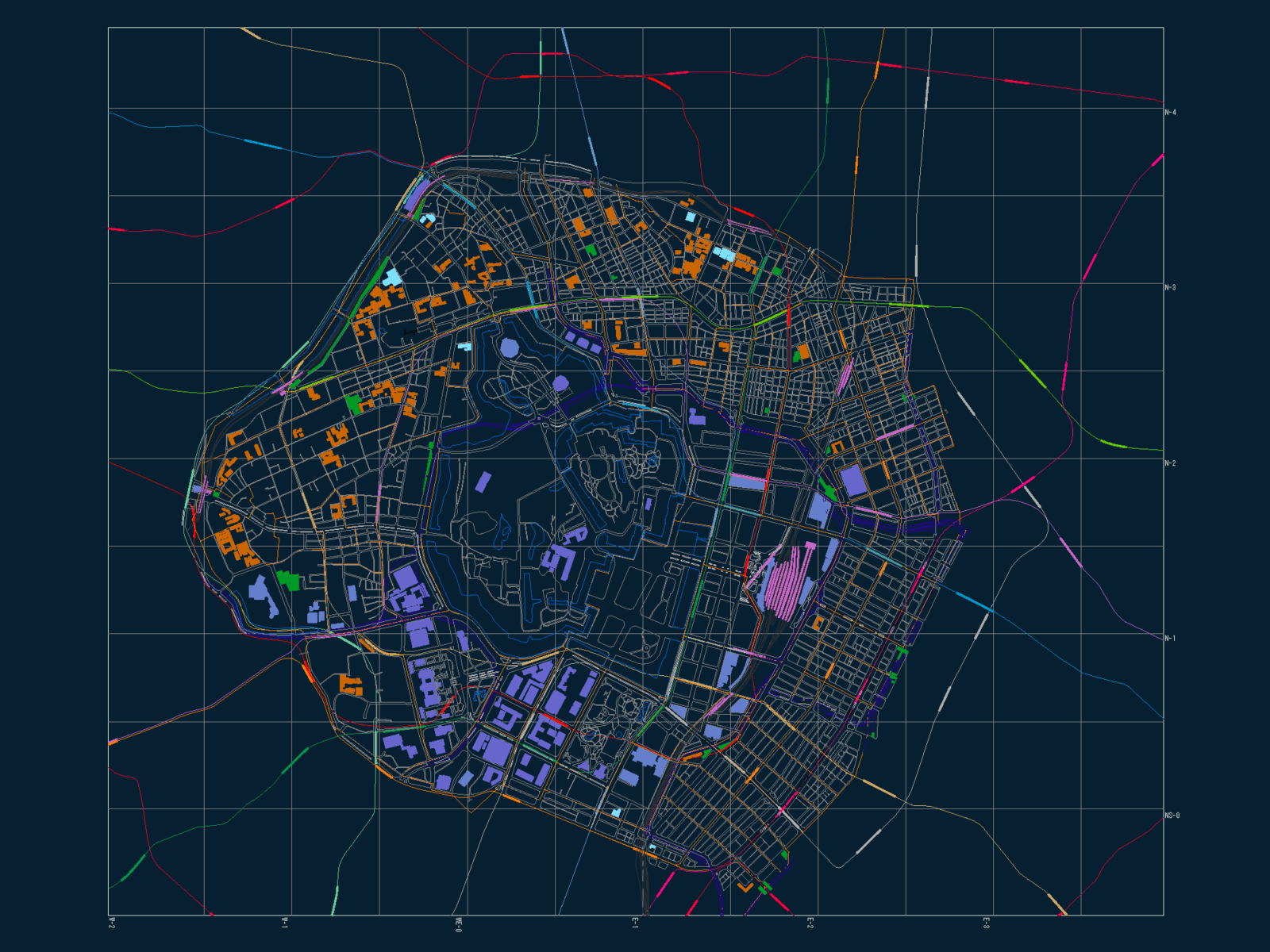
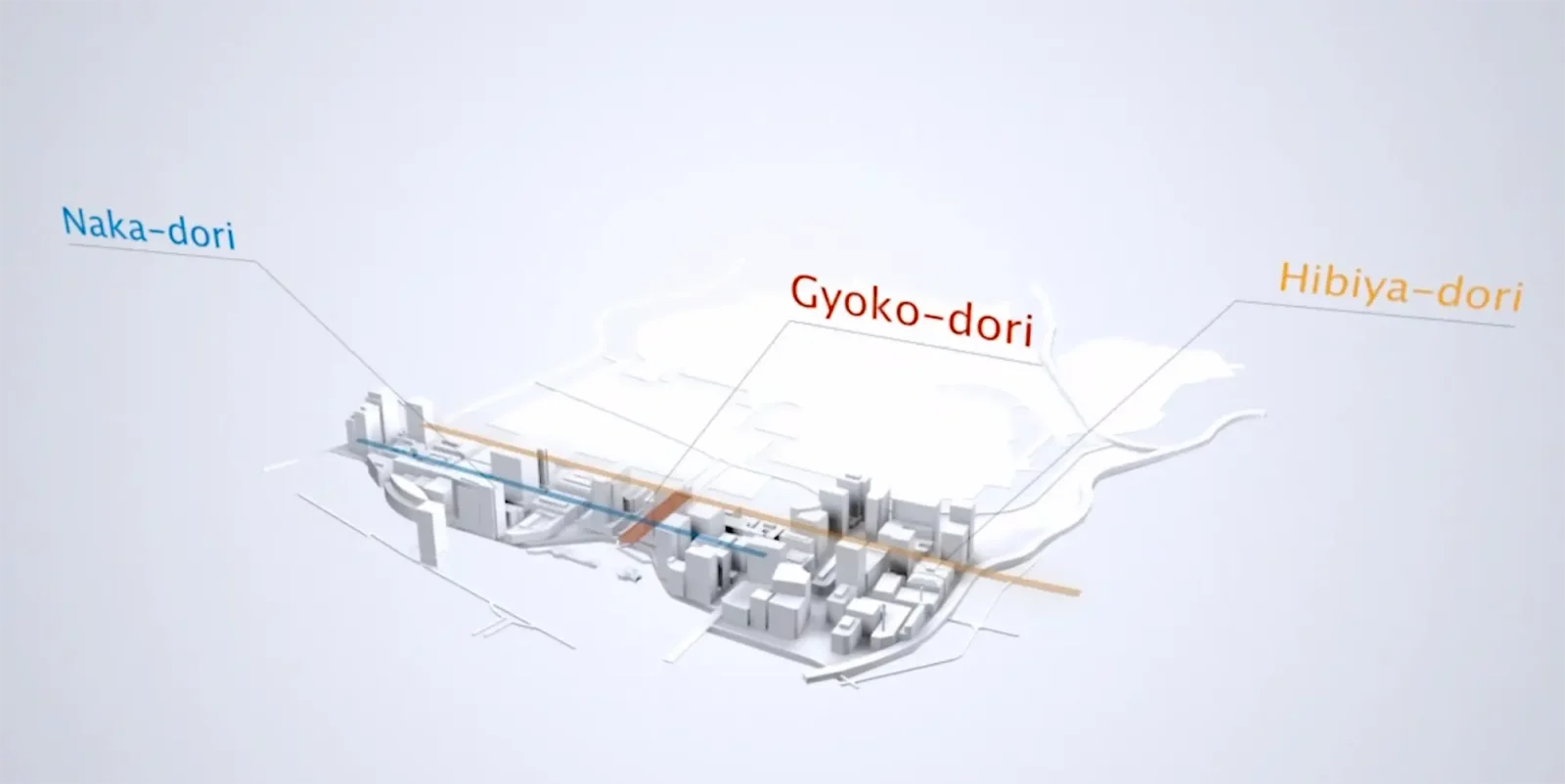
The stage for this proposal, Marunouchi, is the central core of Japan, located between the Imperial Palace and Tokyo Station. Its history began when Yanosuke Iwasaki, the second leader of the Mitsubishi zaibatsu, acquired a vast, empty field from the government and developed it into a business district modeled on the City of London.
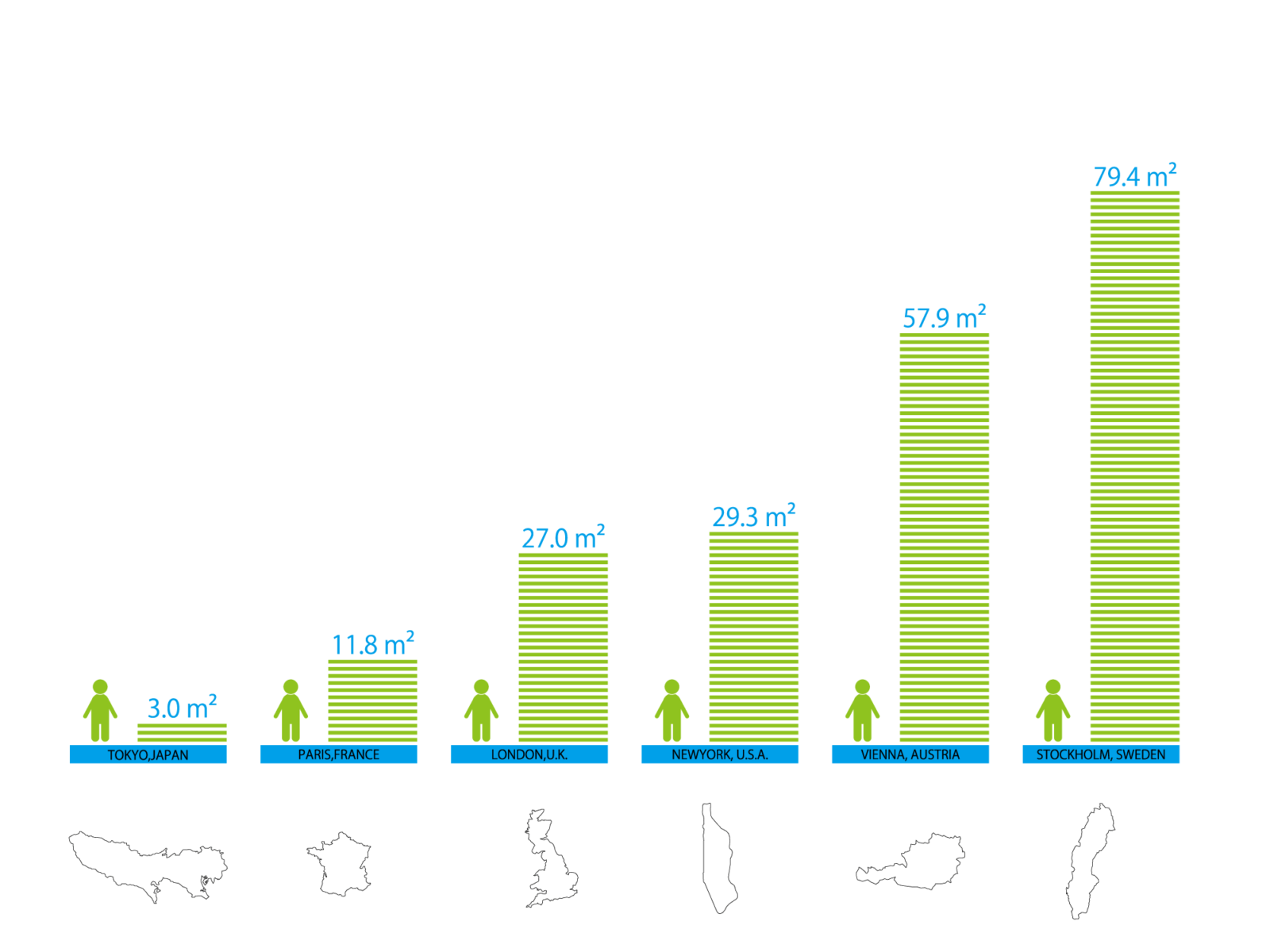
We centered our reconstruction strategy on answering the environmental issues this area faces (such as heat islands and CO2 reduction). However, Tokyo faces the challenge of having significantly less park area per capita than other major global cities.
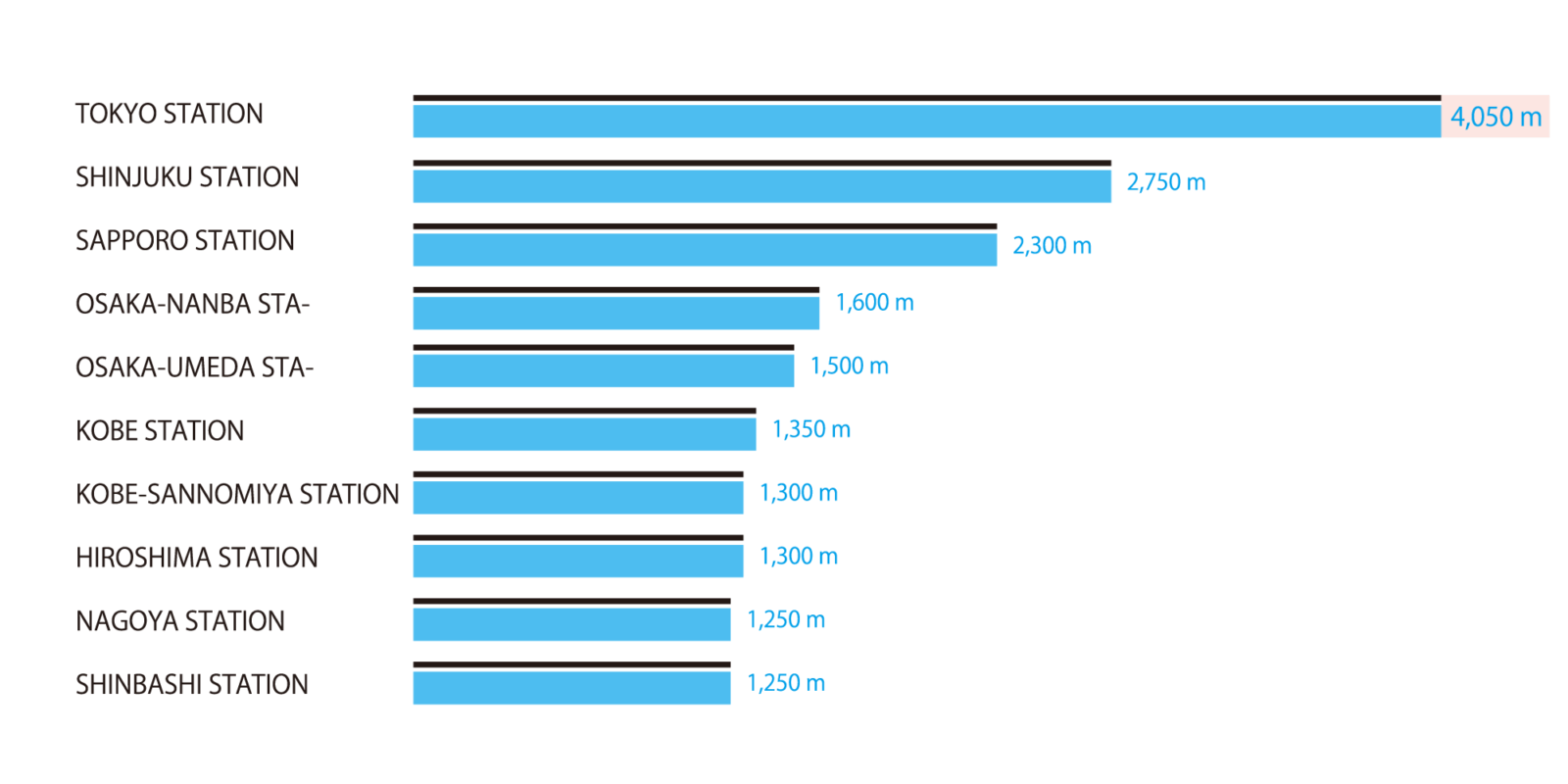
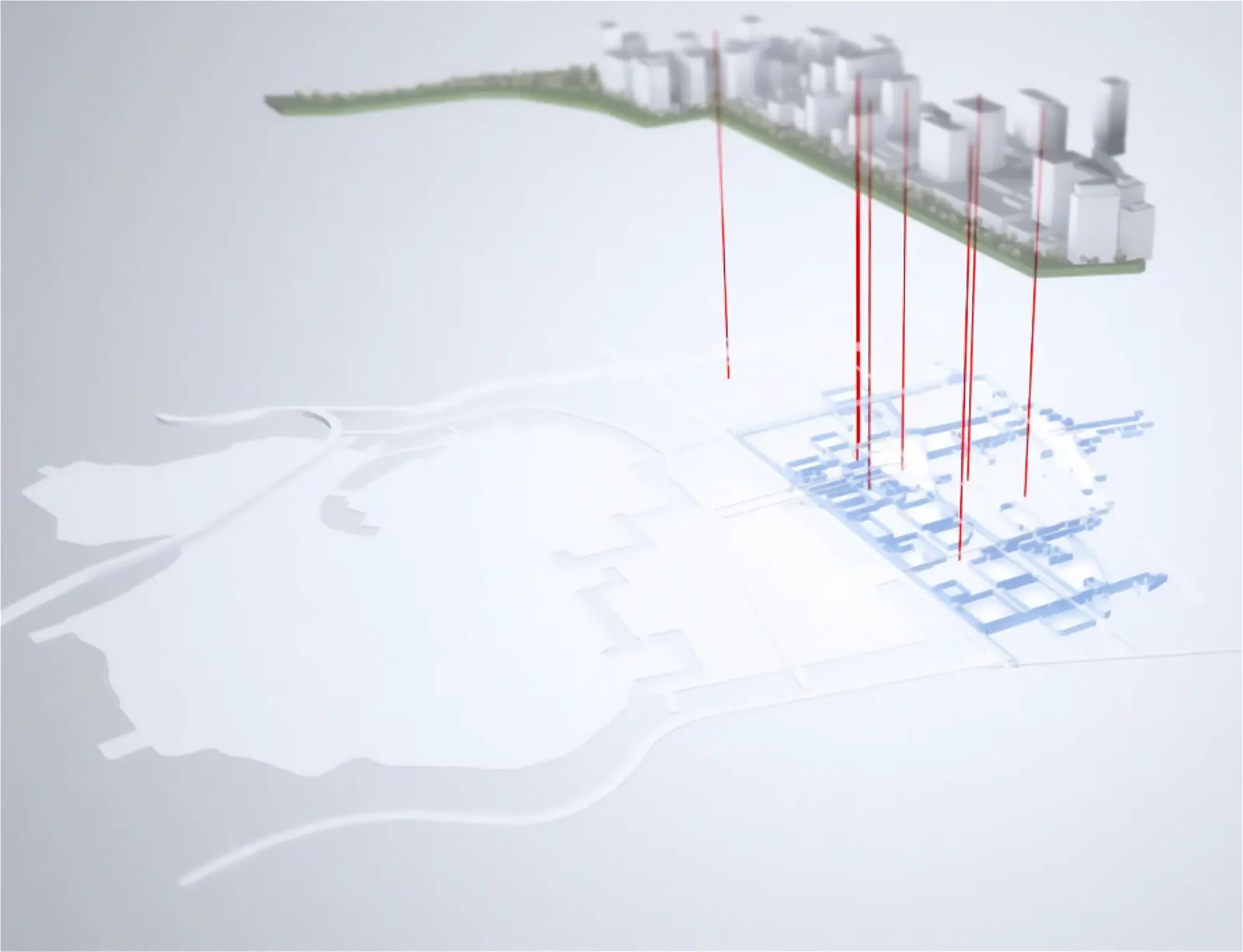
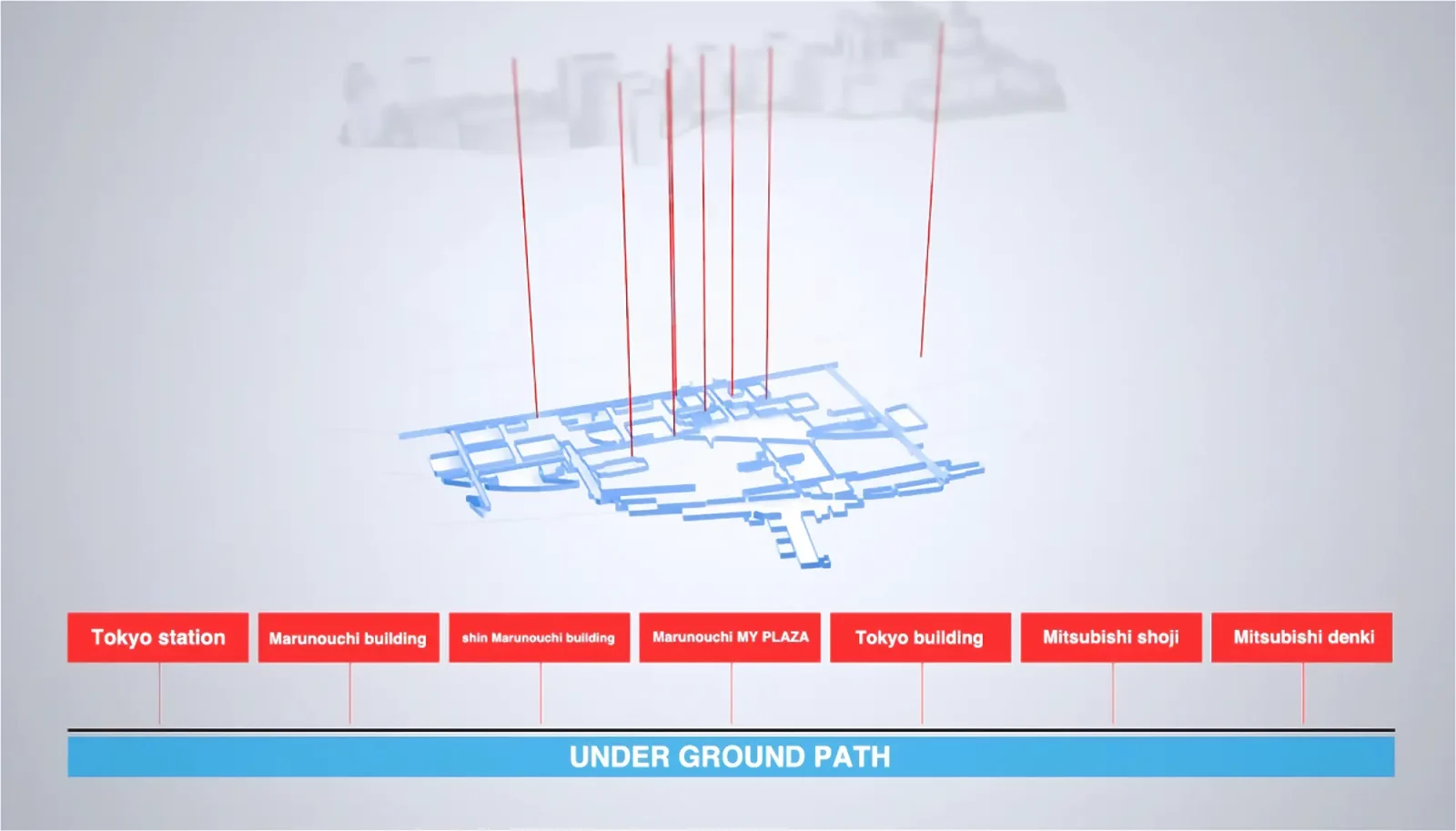
Therefore, to maximize surface greening, we focused on the existing underground network of Tokyo Station (4,000m), which is unparalleled in the world. By enhancing this vast underground network—not only as a pedestrian space but also as a hub for logistics and infrastructure—we can reduce surface roadways and facilities, creating new capacity for green space above ground.
“To enrich the ground, by enriching the underground”. This was not just a greening plan, but a proposal for the city’s future, integrating three visions: 1) to strategically reply to environmental issues (Sustainability), 2) to be a place where people spontaneously gather (Interaction), and 3) to value and utilize existing assets (Infrastructure).